Healing Wounds

Researchers at the University of Oklahoma Hope to Speed Healing

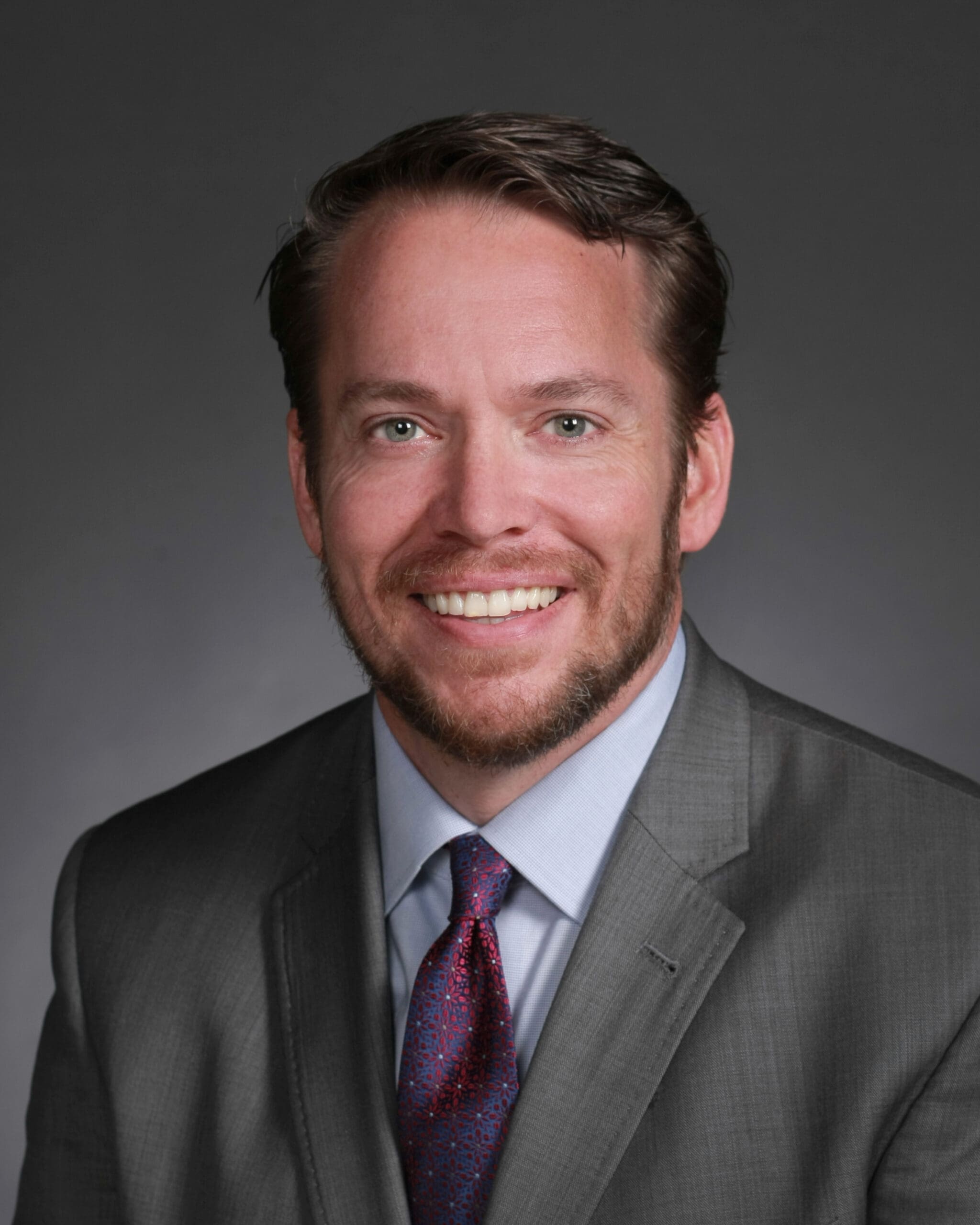
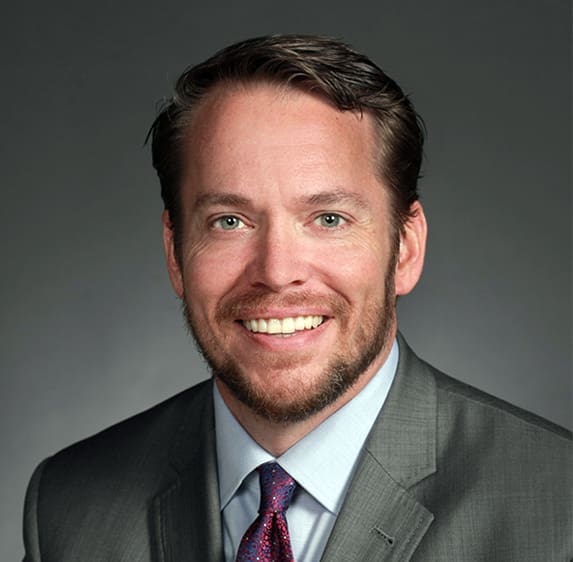
(Courtesy of the University Hospitals Authority)

Cuts and scrapes are a not big deal for most people. The body heals those wounds, but for some the process doesn’t work as well as it should.

Wounds that won’t heal cost this country tens of millions of dollars a year in treatment costs and hundreds of millions in lost wages and productivity.

Now, researchers at the University of Oklahoma Health Sciences Center hope their work will point to a way to aid or even speed healing in wounds.

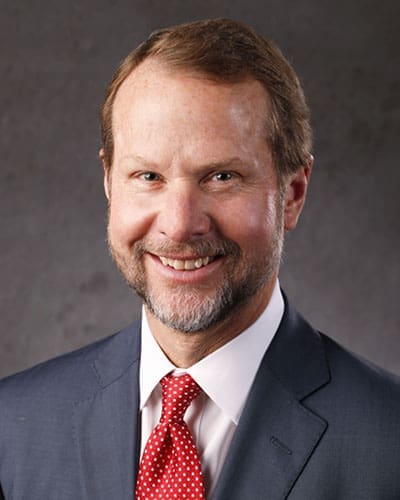
According to Dr. Randle Gallucci, who leads a team of researchers at the University of Oklahoma’s College of Pharmacy, healing a wound is a lot like building a bridge. Instead of concrete and steel, the body uses tissue to span a gap in the skin. However, in some people, especially diabetics, those bridges aren’t built and wounds don’t heal properly.

Gallucci and his team are working to fix that. One focus of the research is inflammation, or the swelling and tenderness that happen after injury. Though inflammation has long been considered a response to infection, Gallucci said the inflammation that occurs in tissue surrounding a new wound also plays an important role in the healing process too.

“ One of the things that occurs when an inflammatory response happens is that the cells of your tissues send out these chemical messages called cytokines,” he said. “Normally, our bodies use these very small proteins to send chemical signals to the other cells. Damaged tissue sends signals to passing blood cells, telling them that something’s wrong, and we need to identify how those signals affect wound repair.”

The cytokines are believed to drive the tissue regeneration that leads to healing. However, there are different cytokines. Gallucci and his team are focused on one in particular called interleukin or IL-6. He said it appears it takes just the right amount of IL-6 to aid healing.

“IL-6 seems to not only affect the function of the cells, but there has to be just the right amount,” Gallucci said. “The questions dogging us are how much and why? If you think about other types of delayed healing responses like in diabetics, they have lots of IL6. As a matter of fact, they have too much. So a lot isn’t better.”

He explained that too much interleukin 6 means too many messages being sent at the same time, in essence overloading the body’s healing circuit. In fact, Gallucci and his team believe the concentration of IL-6 normally made by the body is the optimum amount.

The key now is to figure out exactly how interleukin 6 signals the healing process, then find a way to help those who have too much or too little of it reach the optimum level.

Interestingly, one of the graduate students working on this research with Gallucci is diabetic, and has a particular interest in learning how inflammation is regulated in people with the disease.

“Many of the things we know about wound healing are disregarded by the body in diabetics,” Gallucci said. “The problem with diabetic wounds is that they have an inappropriate inflammatory response.”

He added a similar thing is seen in Irritable Bowel Syndrome and Rheumatoid Arthritis, where inflammation doesn’t stop when it should, but for different reasons.

“The anti-inflammatory response doesn’t seem to work either, so we’re going from one extreme to the other and it becomes the same problem (delayed wound healing) but with a different cause.”

The interleukin-6 is there, but it isn’t doing its job.

One of the tests Gallucci’s team is conducting involves exposing cells to high levels of glucose or sugar and checking the impact of the sugar on genes activated by IL-6.

“It is a huge difference,” Gallucci said. “Why would sugar effect how interleukin-6 works? We don’t know, but for some reason, it does.”

The team’s goal is to find a new pharmaceutical therapy that can aid and perhaps even speed wound healing.

Gallucci stressed it will likely take three or four more years of research to get to the point where they can begin to develop new drugs for wound healing. Then even more time to move any new drugs through the FDA approval process.

However, he believes it is the kind of research that can ultimately not only aid patients, but also the Oklahoma economy as laboratory research is translated into new drug development.


Subscribe

Keep up to date.

Subscribe to our
e-newsletter.

Copyright © 2012. University Hospitals Authority and Trust. Website by Evergreen Productions

S5 Box

Login Form

S5 Register

*
*
*
*
*

Fields marked with an asterisk (*) are required.