

Active Seniors Enjoy Life More

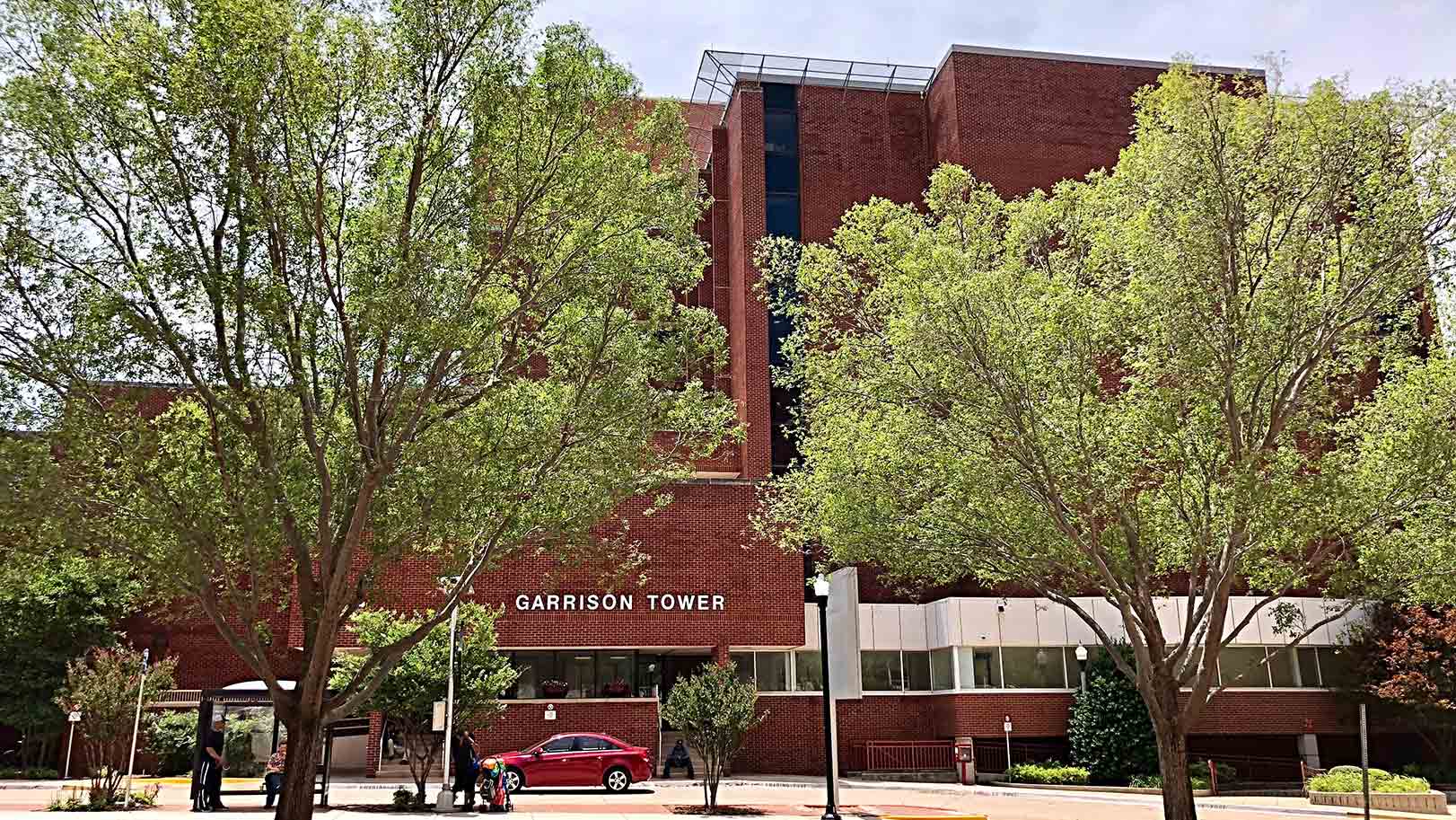
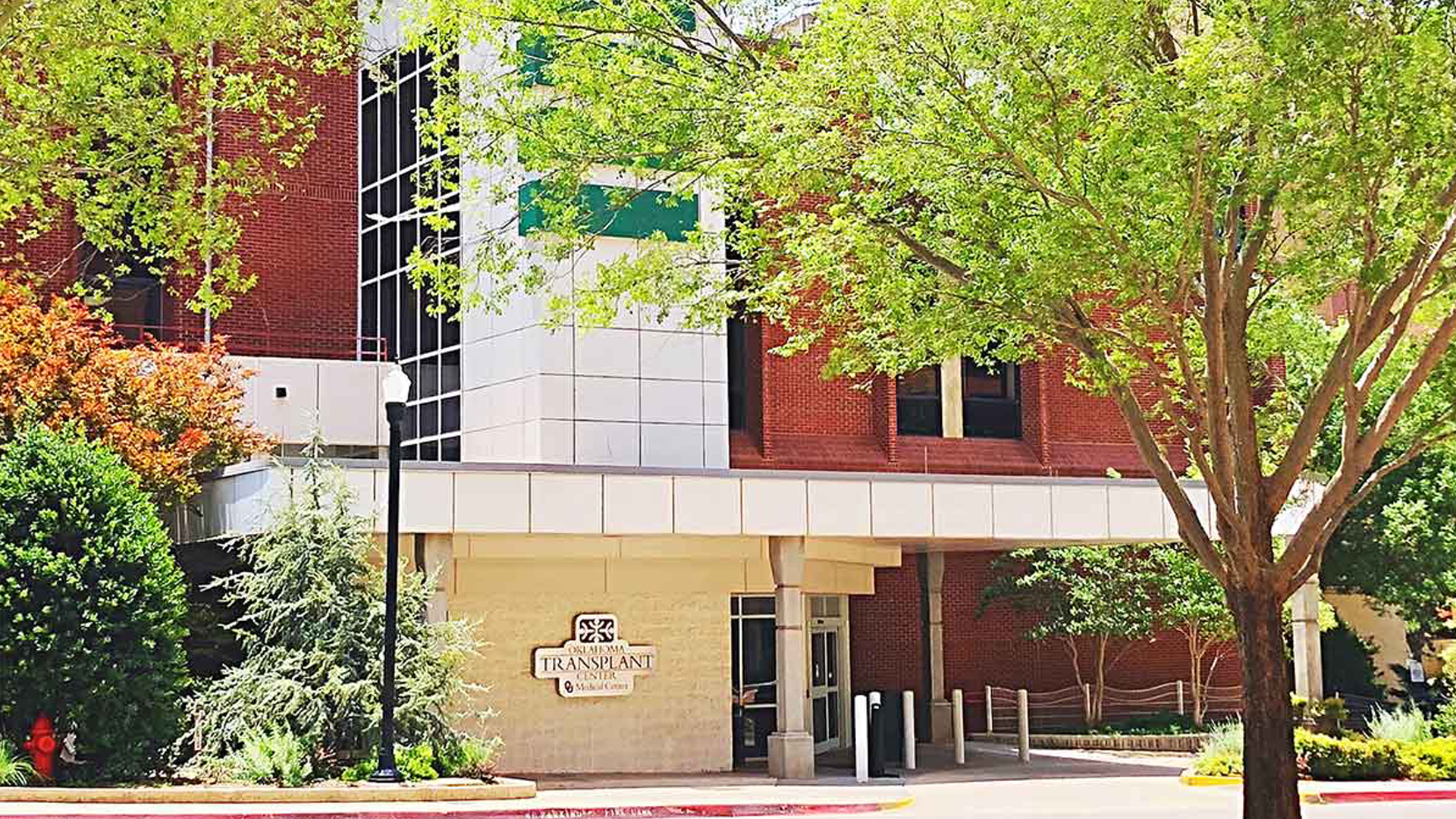
(Courtesy: University Hospitals Authority and Trust)
By Diane Clay

OKLAHOMA CITY – As people live longer -- and 60 becomes the new 40 -- health experts say staying active is crucial to improving quality of life and delaying or preventing disease.

Starting at about age 30, muscle is progressively lost. If people do not exercise regularly, doctors said this slow loss of muscle translates into weakness and risk for hospitalization and other complications by the time people are in their 80s and beyond.

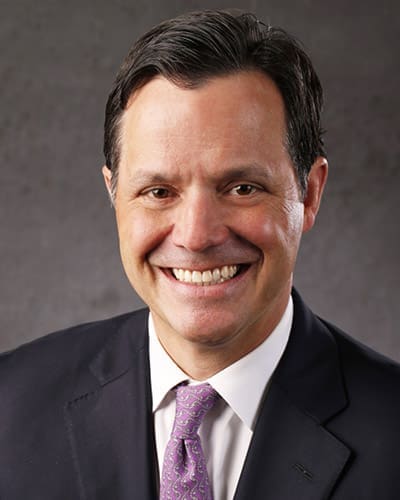
“Exercise helps to preserve heart and lung function, and maintains muscle so that carrying on with normal activities is feasible. You are never too old to start exercising. Even 90-year-old nursing home patients have been shown to be able to build muscle and improve function with exercise,” said Dr. Marie Bernard with OU Physicians’ Senior Health Center.

There are many reasons such as illness and disability that cause older adults to become sedentary. Often the lack of energy and willingness to participate in activities is the result of depression. Bernard said family members can help by including their parents or grandparents in family activities, encouraging them to exercise and by offering transportation.

Activities can range from simply walking in the neighborhood or the local shopping mall to being involved in more structured activities such as yoga, Tai Chi and water aerobics.

“Simply being active within the home, cleaning or doing yard work, can be helpful. The bottom line is to get the body moving and keep it moving,” Bernard said.

Bernard and health experts at the American Council on Exercise said a combination of exercise works best. Aerobic exercises such as walking, swimming, dancing or water aerobics help the heart, lungs and circulatory system. Lifting small weights or applying gentle resistance builds muscle and strength, while balance activities such as Tai Chi can decrease risk of falls.

A well-balanced fitness program also helps fight osteoporosis, improves digestion, helps manage lower back pain, diabetes and arthritis, and new studies indicate an active lifestyle can lower the risk for some types of cancer.

Experts recommend starting slow and talking to your doctor before starting an exercise regimen, especially if you have current or chronic health issues.


Subscribe

Keep up to date.

Subscribe to our
e-newsletter.

Copyright © 2012. University Hospitals Authority and Trust. Website by Evergreen Productions

S5 Box

Login Form

S5 Register

*
*
*
*
*

Fields marked with an asterisk (*) are required.