
Stay Safe this Summer with Proper Precautions

OU Children’s Physicians say drowning, burns and accidents can be prevented

Summer is a time for family fun – but for many, it also brings a trip to the emergency room.

Injury prevention experts at OU Medicine say skip the trip to the emergency room this summer by taking proper precautions around swimming pools, fireworks celebrations, lawn mowers and on bicycle and ATV outings.

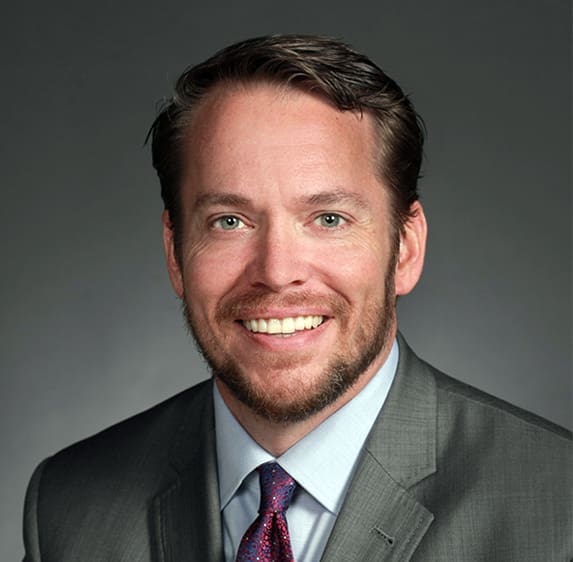
“Most summer accidents can be prevented. It is devastating to the child and to the parent when accidental injuries occur,” said Ryan Brown, M.D., an emergency room physician at The Children’s Hospital at OU Medical Center.


Special care should be taken to make sure babies and children are not left in hot cars, which reach dangerous temperatures very quickly, Brown said. Tell your children not to play in vehicles because a game of hide and seek can quickly turn deadly.

Pool and Lake Safety

Adult supervision is important at all ages. Never ever leave children alone and never use drugs or drink alcohol around water.

“Do not assume that someone else is watching your child in the pool,” Brown said. “Children should not be allowed to swim alone. Life jackets and vests should fit properly.”

If you have a pool at your home, construct a fence on all sides and make sure there are no openings that a small child could fit through. Proper fencing has been shown to reduce drowning by half. Also, make sure the gate opens away from the pool, closes automatically and has a self-locking latch.

Keep rescue equipment handy, such as a life preserver or shepherd’s hook.

Burns    

Serious burns can happen in an instant. Common culprits are campfires, fireworks and grills.

Campfires, even those you think are completely out, can pose a danger. Small children are especially at risk. Doctors see burns to the feet in little ones who unknowingly walk across very hot embers.

Fireworks also pose a serious risk and should never be handled by children.
Even sparklers can pose a serious burn danger, since they burn extremely hot, and just a momentary touch can lead to a serious burn. They also can light clothing or hair on fire.      

ER physicians prefer fireworks displays be left to the professionals, but if you are going to have fireworks – supervision and proper respect for the danger that fireworks pose can help prevent burns.

Bicycle Safety

Bicycle riding is a lot of fun but accidents can happen.  To reduce the risk, Brown suggests making bike riding a family activity. A helmet is must for all bike riders and should always be worn, even on sidewalks and on driveways. The helmet should be worn level on the head and not tipped forward or backward. The strap should be securely fastened.

Don’t push your child to ride a 2-wheeled bike until he or she is ready, which us usually at about age 5 or 6.  Take your child with you when you shop for the bike so you can get the right size. Oversized bikes are especially dangerous.

Finally, Brown stressed that parents, grandparents and other caregivers should never allow children to ride at dusk or after dark, when it may be difficult for motorists to see them.

Lawnmower & ATV Injuries

Thousands of children are hurt each year by power lawnmowers and All Terrain Vehicles. These injuries include deep cuts, loss of fingers or toes, broken bones, eye injuries, head and neck injuries and burns.

Here are a few tips from OU Children’s Physicians to help prevent these injuries:

  • Never allow children to ride on a ride-on mower, even with an adult
  • Children should be at least age 16 to operate a ride-on mower and at least age 12 to use a walk-behind mower
  • Always wear sturdy shoes (no flip flops, sandals or sneakers) while mowing
  • Use a mower with a control that stops the mower from moving forward if the handle is let go
  • Prevent injuries from flying objects, such as stones, by picking up objects from the lawn before mowing.  Always wear eye protection when mowing or using other powered lawn equipment. Ear protection also is a good idea
  • Make sure children are away from the area where you plan to mow, preferably indoors
  • Children younger than age 16 should not operate off-road vehicles
  • Never ride with passengers on an ATV
  • Always wear appropriate helmets, eye protection and protective reflective clothing
  • Never use an off-road vehicle on the street or at night
  • Flags, reflectors and lights should be used to make vehicles more visible


In Attendance


Beverly Funderburk, Ph.D.
University of Oklahoma Health Sciences Center
Center on Child Abuse and Neglect

Michael Siatkowski, M.D.

OU Children’s Physicians
Dean McGee Eye Institute

Greg Dupuis, M.D.

OU Children’s Physicians
The Children’s Hospital at OU Medical Center

Patti Landers, Ph.D.
University of Oklahoma Health Sciences Center
OU College of Allied Health


Subscribe

Keep up to date.

Subscribe to our
e-newsletter.

Copyright © 2012. University Hospitals Authority and Trust. Website by Evergreen Productions

S5 Box

Login Form

S5 Register

*
*
*
*
*

Fields marked with an asterisk (*) are required.