| OU Medicine Offers New Incision-free Treatment for Esophageal Cancer |
Technique helps patients avoid risky surgery and has many home the same day.
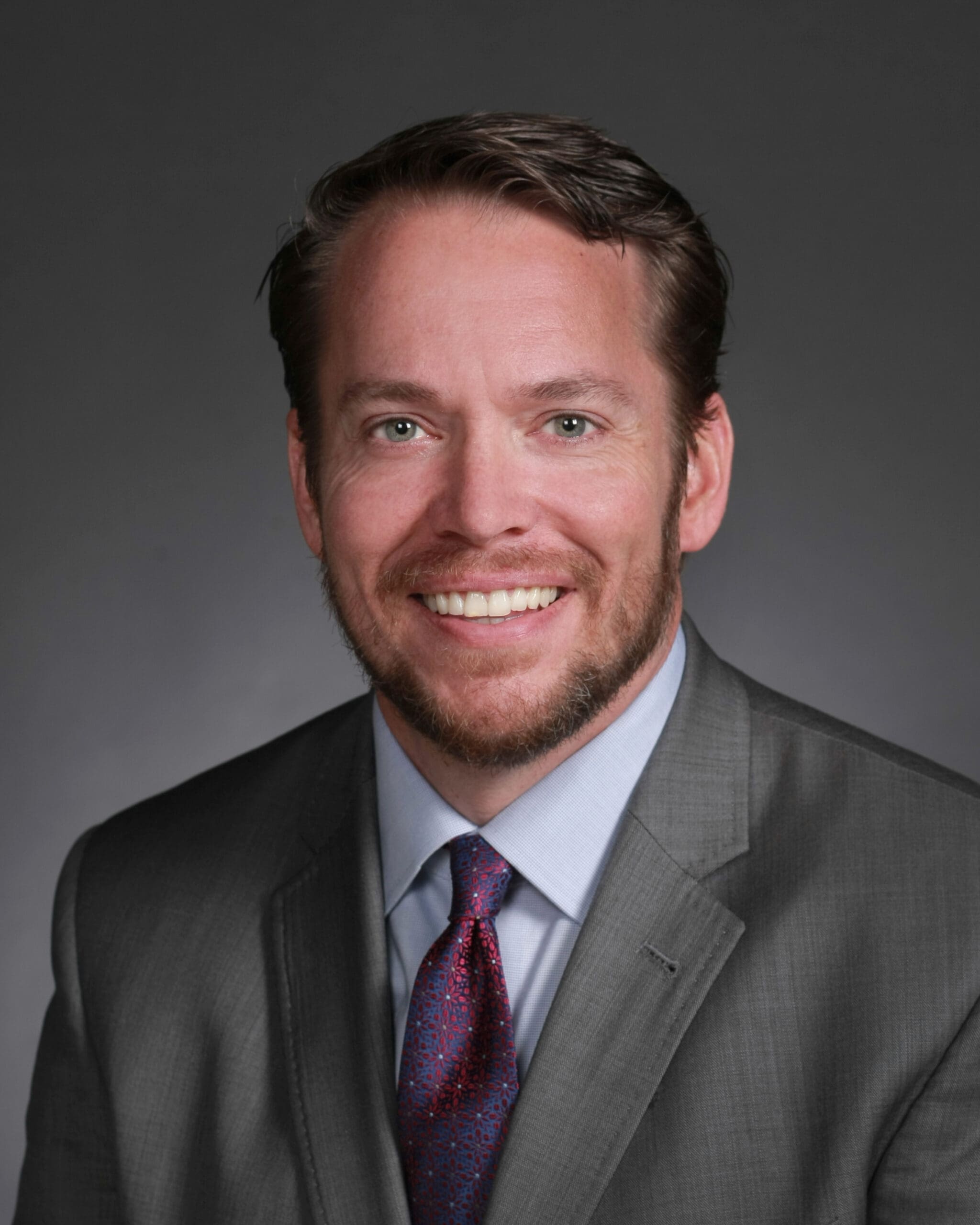
The incidence of esophageal cancer in the United States is growing faster than any other form of cancer. Now, a newer technique offered at OU Medical Center provides a way to remove it with no need for an incision, fewer complications and a rapid recovery. Esophageal cancer is a cancer that develops in the esophagus, the long, hollow tube that runs from your throat to your stomach. It usually begins in the cells that line the inside of the esophagus. The risk for esophageal cancer is especially high in middle-aged men, but it occurs in women too. Endoscopic mucosal resection offers a new, incision-free option for patients with early stage esophageal cancer and advanced precancerous changes in the esophagus. “The procedure uses an endoscope to first identify the tumor. It is carefully marked, then lifted away from the deep wall of the esophagus and finally special instruments are used to remove the tumor,” said Dr. William Tierney, a gastroenterologist with OU Physicians. “In the past, these patients faced major surgery usually with both chest and abdominal incision and the removal of a large section of the esophagus with weeks in the hospital and significant risk to those undergoing the procedure. In fact, about 10 percent do not survive the surgery." Tierney said the endoscopic approach accomplishes the removal of the tumor without the need to remove the esophagus, with much less risk for the patient, a quicker recovery and virtually no alteration in the patient’s ability to swallow or eat. In fact, most patients go home the same day and are back to work within a day or two.
Perry Poling, 70, of Oklahoma City consulted his family doctor after he was diagnosed with esophageal cancer. He said he is thankful his family doctor recommended that he see an oncologist. The oncologist reviewed Poling’s case and told him he thought there was a very good likelihood that he would not survive the surgery. He suggested that Poling see Dr. Tierney at the OU Medical Center. When Dr. Tierney explained the new procedure, Poling said he knew instantly it was the right choice for him. He was pleased with both the procedure and his quick recovery. “We had been told that the traditional surgery carried a significant risk of death. So this new procedure was very appealing to us,” said his wife, Roberta Poling. “I can’t say enough good things about the procedure and the entire team at the OU Medical Center.” Tierney described Poling’s result as excellent. The cancer was removed in one session and Poling is now cancer free. Tierney pointed out that patients who undergo endoscopic mucosal resection do need to be followed very closely with endoscopic evaluations every three months to monitor for any signs of recurrence. However, they typically do not require chemotherapy or radiation. He added it is important that patients considering the procedure be evaluated by a multi-disciplinary team of specialists that includes gastroenterologists with the expertise to perform the procedure, surgeons who specialize in the treatment of esophageal cancer and oncologists. When used in the appropriate patients, the procedure is able to cure more than 90 percent of patients. OU Medical Center is currently the only one in the state offering the procedure. Endoscopic mucosal resection is not recommended for all patients. Those with advanced esophageal cancer still generally require surgery and usually chemotherapy and radiation too. “Early diagnosis is critical. Unfortunately, far too many patients with esophageal cancer already have the advanced form of the disease by the time they are diagnosed,” Tierney said. Media Contact: For patients seeking additional information on Gastroenterology at OU Medicine, visit www.oumedicine.com. ### In Attendance: William Tierney, M.D. Perry Poling Roberta Poling |
Subscribe to our
e-newsletter.